Photo Credit: Elisank79
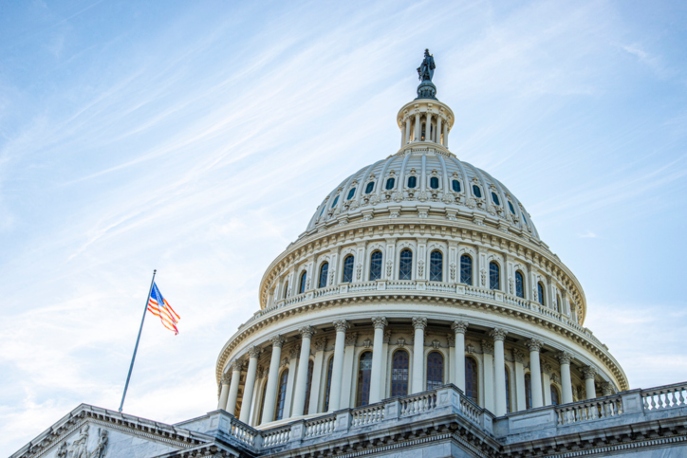
The recent allegations of misconduct against members of Congress, including former Reps. Eric Swalwell (D-CA) and Tony Gonzales (R-TX), and their subsequent resignations, have opened a conversation about how power imbalances on the Hill increase vulnerability to workplace harm amongst staff and how larger systems often protect those in power at the expense of those who work for them. Representatives from both parties have called for reforms to increase transparency and protections for those at risk of exploitation. These calls have been a long time coming, because this type of misconduct is far from new to the political sphere. It’s a symptom of a system and culture that shields the careers and reputations of those in power…while silencing survivors.
A recent study by the National Women’s Defense League (NWDL) examined sexual harassment allegations in Congress since 2006 and found that at least 30 representatives from 13 states and Guam have faced public workplace harassment allegations. This totals to at least 53 accusations, with actual instances likely being significantly higher given that less than 30% of survivors report their abuse. Of the documented allegations, around 77% involve legislative staffers, reflecting the direct role that imbalanced power dynamics play in enabling misconduct. Staffers have limited institutional protections and are professionally dependent on the people who hold power over them. These dynamics increase their vulnerability to harm, discourage reporting and reinforce a cycle of misconduct without visibility or accountability.
While Congress is one notable example of this issue, many workplaces run the risk of perpetuating abuse within their own systems by maintaining significant power imbalances that protect those in power and silence survivors. Culture is difficult to change; however, implementing policies such as transparent reporting systems, independent oversight, and enforceable standards can help prevent and address workplace sexual misconduct. These systems will vary across each workplace but should be built from a foundation informed by survivors and in partnership with organizations working to prevent sexual misconduct, such as RALIANCE.
The following five pillars offer a starting point for companies committed to meaningful change.
Third-Party Reporting Channels & Independent Investigations:
Workplaces need to provide trusted, external options for employees to anonymously report sexual misconduct and harassment, investigated independently to prevent internal bias. By removing barriers to reporting, survivors can feel more empowered to come forward and organizations can more adequately respond to and track patterns of misconduct, creating a safer work environment for all.
Prevention & Intervention Training:
Expert partnerships with organizations such as RALIANCE are an invaluable asset for their insight into sexual violence prevention. This expertise makes us uniquely qualified to provide training across all levels of an organization on how to prevent, recognize, respond to, and intervene when misconduct occurs to help create a more informed and respectful environment that prioritizes accountability and healing.
Consistent Consequences for Violations:
When consequences vary on a case-by-case basis, it signals that there are circumstances in which this behavior can be tolerated or accepted. Establishing clear, established repercussions for each type of behavior before it occurs helps ensure that response is swift, predictable, and not subject to negotiation. This approach makes it clear that no individual, regardless of power or position, is immune to accountability. Consistency protects survivors and removes ambiguity across the organization.
Ongoing Evaluations & Reporting:
Continuously assessing how an organization’s systems are working, including tracking reporting rates, outcomes and employee sentiment, are essential to ensure continued efficacy and improvement. Tools like the taxonomy RALIANCE developed to categorize sexual harassment, misconduct can be foundational to accurately recording workplace harms and gathering data to promote safety and prevent abuse.
Digital Conduct Policies & Oversight:
Misconduct increasingly occurs over text messages, direct messages and social media platforms, yet many workplace codes of conduct do not account for this shift. Organizations should explicitly define harmful digital contact in their policies and implement oversight mechanisms for official accounts and communications channels. Employees should also have the same accessible reporting options for unwanted digital contact as for in-person incidents.
While the news cycle may shift away from the misconduct in Congress, the underlying problem will persist on the Hill and in all workplaces if no deliberate actions are taken. The question is no longer whether imbalanced power dynamics and misconduct exist in workplaces, rather it’s whether fair and considered systems are in place to adequately prevent and address these issues. RALIANCE exists to help organizations address such systems head on. With decades of experience partnering with organizations across sectors to prevent misconduct and provide trauma-informed support to survivors, RALIANCE provides the proven tools, training, and strategic guidance to build workplaces where everyone is safe and respected. To work with us, reach out to corporate@raliance.org or visit RALIANCE.org.
RALIANCE is a trusted adviser for organizations committed to building cultures that are safe, equitable, and respectful. RALIANCE offers unparalleled expertise in serving survivors of sexual harassment, misconduct, and abuse which drives our mission to help organizations across sectors create inclusive environments for all. For more information, please visit www.RALIANCE.org.